
Guttering, often overlooked yet essential, serves a crucial role in protecting our homes from the damaging effects of water. These unassuming troughs, typically attached to the edge of roofs, play a vital role in managing rainwater runoff. While they may seem like simple features, the reasons behind why we have guttering on our houses are multifaceted and encompass various aspects of home maintenance and protection.
One of the primary purposes of guttering is to manage rainwater effectively. When rain falls on the roof, gutters collect the water and channel it away from the house’s foundation. Without gutters, rainwater would simply cascade off the roof, creating puddles around the perimeter of the house. Over time, this pooling water can seep into the soil, leading to foundation damage, basement flooding, and structural instability. By directing water away from the foundation, guttering helps to prevent these issues and preserves the integrity of the home’s structure.
In addition to protecting the foundation, guttering also helps prevent soil erosion and compaction around the house. When rainwater flows off the roof unchecked, it can erode the soil and create channels in the ground. This erosion not only damages landscaping but can also compromise the stability of the soil around the foundation. By collecting and diverting rainwater away from the house, gutters help to minimize erosion and maintain the integrity of the surrounding landscape.
Gutters also play a crucial role in preventing water damage to the exterior of the house. Without proper drainage, rainwater can collect on the roof, leading to moisture penetration, rot, and decay. Over time, this can damage the roof structure, shingles, and siding, leading to costly repairs. By directing water away from the house, gutters help to protect the exterior surfaces from water-related damage, extending their lifespan and preserving their appearance.
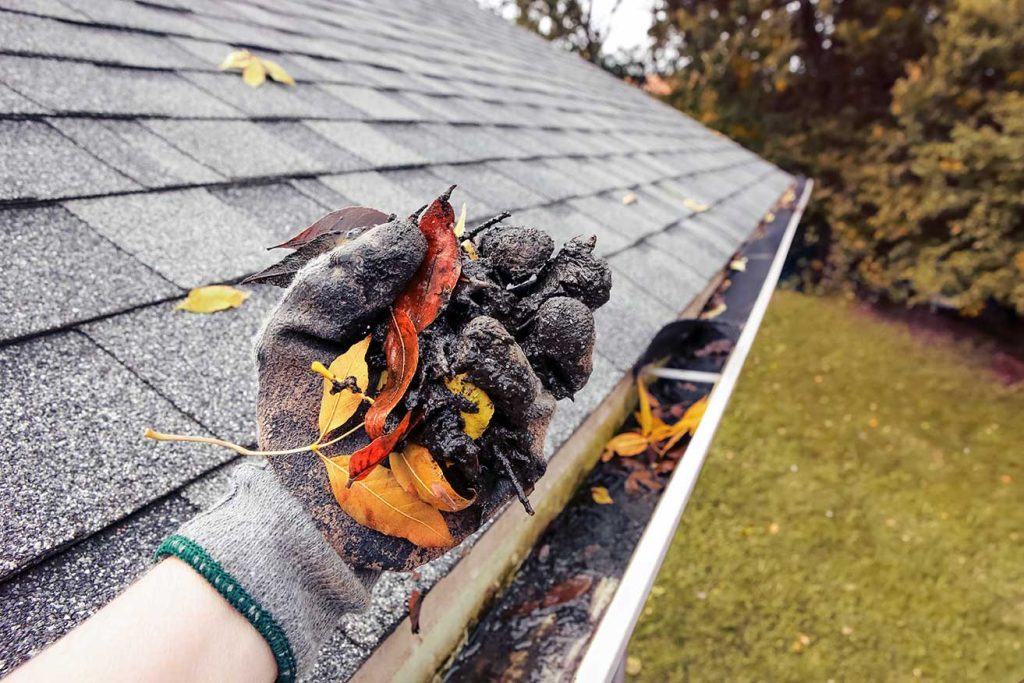
Clogged or improperly installed gutters can contribute to basement flooding by allowing water to pool around the foundation. When gutters become blocked with debris, water can overflow and seep into the basement through cracks or gaps in the foundation walls. By keeping gutters clean and free-flowing, homeowners can reduce the risk of basement flooding and the associated damage to belongings and property.
Lastly, guttering helps to protect landscaping by preventing soil erosion and minimizing the impact of heavy rainfall on garden beds, flower beds, and lawns. By directing water away from the house, gutters help to maintain a more stable environment for plants and vegetation, reducing the risk of erosion and waterlogging.
In conclusion, guttering serves a critical function in protecting our homes from the damaging effects of water. By managing rainwater runoff, preventing erosion, and minimizing the risk of water damage to the foundation and exterior surfaces, gutters play an integral role in maintaining the integrity and longevity of our houses. While they may not be the most glamorous feature of a home, gutters are undoubtedly one of the most important.